史杰輝絕對是一位見聞廣闊的校友。雖然他今年僅僅26歲,但2008 年從杜克大學畢業以後就一直住在國外。史先生在日本教了兩年的英文,也去過中國大陸、香港、新加坡旅行,最後決定留在臺灣學中文。在ICLP學了兩年的中文後,他得到了一個臺灣政府的工作機會─替新聞局工作,現在史先生是行政院發言人辦公室的約聘編輯。從開始工作起,他已經得到很多特別的生活經驗了。
其實,史先生本來並沒有打算留在臺灣工作,可是在讀了穆老師發的電子郵件,裡面提到政府的工作機會以後,他就決定申請了。申請的原因何在?按照他的說法,這個工作聽起來很有趣,也難得有機會能了解政府的做事方法,再說也可以順便練習所學的中文。決定申請以後還必須經過挺複雜的應聘流程 - 史先生經過了筆試和面試才得到工作。當然,有了工作後就得停止上課,今年五月起開始上班了。
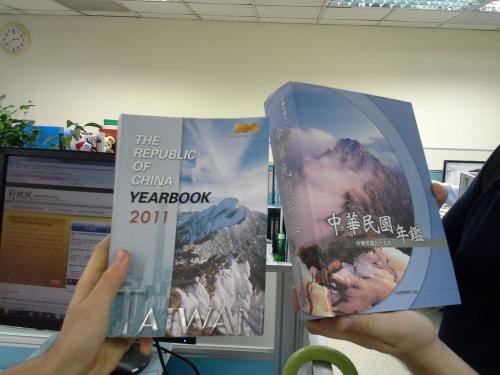
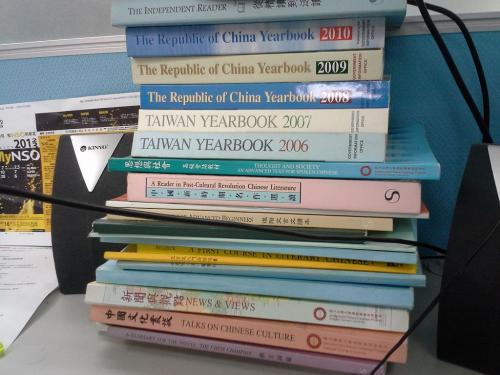
在臺灣上班和生活有什麼優缺點呢?關於工作,簡單的說,史先生的工作可以分為兩個主要的部分:翻譯與編輯。翻譯很有挑戰性,因為在政府機關裡,翻譯要非常小心免得產生誤會,所以翻譯就有很多規定和檢查制度。除了翻譯以外,史先生做的編輯工作也需要知識。史先生舉的例子就是寫The Republic of China Yearbook(中華民國英文年鑑)的文化部分,他還需要自己研究臺灣文化才能編寫材料。由此可見,不論是翻譯或是編輯,都需要認真地做。
關於在臺灣的生活,史先生覺得臺灣的自然環境和衛生情況都不錯,親切的人很多,而且臺灣文化有一種特別的國際味兒,指的就是臺灣的歷史和移民。因為臺灣在日據時期受日本影響很深,到了1949 也受了中國的影響,到目前為止,因為很多外國人來臺灣,也受了很多外國影響,因此臺灣文化包括了各種各樣的文化;這就是臺灣的優點其中之一。
史先生離開ICLP以後,開始懷疑他的中文程度在某些方面可能退步了。講到這一點,史先生認為ICLP最明顯的好處是有天天練習中文的機會,並且,ICLP的課使學生受較多書面語的訓練。至於要維持中文水平,最好多看中文材料和多練習講話的技巧。總而言之,史先生在ICLP受的教育對他現在的工作有利。
James wasn't always interested in languages. While studying at Duke University, James studied abroad in Spain and found out that he really liked foreign countries and learning languages. After graduation, James went and taught English in Japan through the JET program (Japan Exchange and Teaching Programme). While in Japan he remembered how much he had enjoyed studying Chinese while in college and so he applied for the ROC (Taiwan) Ministry of Education's Huayu Enrichment Scholarship and came to ICLP to learn more. If you had asked James when he got to Taiwan what he planned on doing while he was here, he wouldn't have told you ‘working'. But opportunities arose and Mu Guizhen (穆貴珍) Laoshi sent out a message to the ICLP students that the Executive Yuan's Government Information Office was looking for a translator and editor. He applied for it and got the position, leaving ICLP in May of 2012 to begin his new job. The Government Information Office subsequently ceased operations and its functions were transferred to different Executive Yuan departments. James now works for the Executive Yuan's Office of Information Services (行政院發言人辦公室), which handles the Executive Yuan spokesperson's press releases.
What does James do for the Office of Information Services? He does more editing work than translating work. Sometimes he is given Chinese texts to translate but oftentimes he edits translations that other people in the office have written. One thing about working in Taiwan's government is that "it's a very high context environment" that involves a lot of different governmental agencies. Because of this, there are many abbreviations that translators must become familiar with. Some agencies also have Chinese names that are very similar which makes abbreviating both confusing and difficult.
Though it's obvious that Chinese and English aren't particularly similar, it turns out that press releases are even more different. Sometimes in Chinese-language press releases context is dropped because it is assumed that the readers already know the context. When translating these press releases to English, a lot of times context needs to be added. This can be challenging because official Chinese tends to drop unnecessary words for the sake of conciseness. James put this pretty simply: "We don't use 了 very much." Also, in English-language press releases, important information is given first. The group issuing the statement wants the reader to get the point of the statement without having to read the entire thing. In Chinese it's very different. Most Chinese-language press releases start with "a really long sentence" that's used to describe the history of the decision and the history of relevant organizations and previous decisions. After the initial opening statement, the main information of the announcement is given.
If you want a job like James' there are some things that you can do to help yourself get there. First, read the news. James and his colleagues are encouraged to read the news while at work. Staying up to date on current events will not only help you improve your Chinese but also help you be more knowledgeable in conversations. Second, work on your English. It may seem silly to have to work on your native language in order to do better in a job where you speak and use a different language but James says that it's the little differences between words that start mattering much more. Do you ride a motorcycle or do you drive a motorcycle? Can you explain the difference between exchanging and switching or between a procurement and a purchase? Having a solid grasp on the English language both helps in translation as well with having a better grasp of the Chinese language.
We all know what it's like to be away from home, seeing as we have all studied abroad at the ICLP program, but working abroad is different. James is in the middle of his fourth year away from home. Initially he had planned on only spending one year abroad in Japan but as one year became two, Japanese became Chinese and jobs arose, plans changed. It is important to be able to adapt to changing plans. Making new friends in Taiwan can not only help it feel more like home but can also give you a leg up against other competitors in the job market. In Chinese cultures, finding a job is often tied into what type of personal contacts you have. James didn't set out from America looking for this job. He met people who were able to make the connections for him. He says that if you are interested in finding a job abroad; go places where you meet people. Tell the people that you meet about what your interests are and what you would like to do and those personal contacts might very well be your gateway to a new job. Many times it is worth it taking a job with the slightly lower salary that puts you in contact with important people because it can open doors for you in the future.
Living in a foreign country really helps one's language skills and James' Mandarin speaking ability is a perfect testament to that. He said that as your ability rises to a point where simply practicing every day isn't enough to continue growing, you should make sure you not only speak every day but also read every day as well. Staying informed and connected is a good way to ensure future success and who knows, if you are as lucky as James Smyth, maybe someday you too will work for foreign government.